
Understanding Autism in Criminal Defense
· Roberts Investigative Services
The Role of Criminal Defense Investigators in Autism Cases
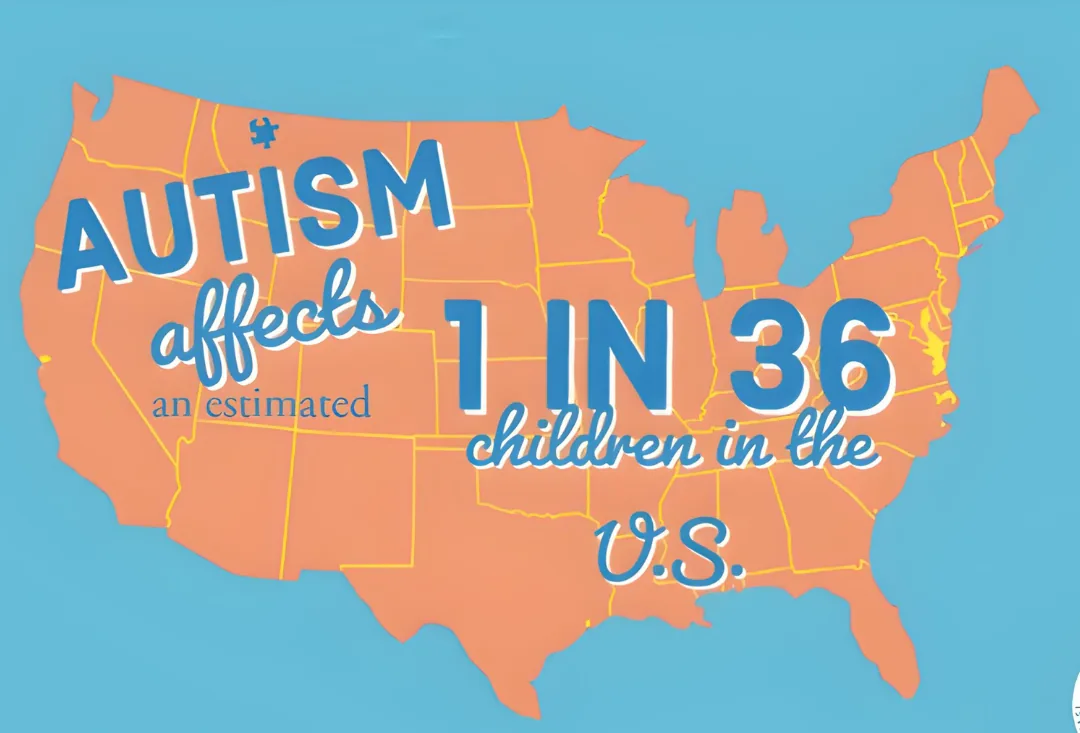
When discussing Autism within the realm of Criminal Defense, the rising diagnosis rates highlight its increasing relevance. But what exactly is Autism?
Autism Spectrum Disorder (ASD) encompasses a spectrum of conditions marked by challenges in social skills, repetitive behaviors, and communication—both verbal and non-verbal. Each person with ASD experiences a unique blend of strengths and challenges, influenced by genetic and environmental factors.
Beyond the core symptoms, individuals with ASD may face additional issues like sensory sensitivities, gastrointestinal disorders, seizures, and mental health conditions such as anxiety and depression. The severity varies, with some needing substantial support while others lead more independent lives.
Early intervention plays a crucial role in improving outcomes for those with autism. Signs can manifest as early as 2 or 3 years old, often accompanied by developmental delays.
Autism and Criminal Defense: Understanding the Intersection
As the number of Autism diagnoses grows, so does its impact on legal proceedings. Individuals with Autism can face unique challenges within the criminal justice system—both as victims and defendants. Statistics reveal a higher prevalence among boys, with 1 in 34 diagnosed compared to 1 in 144 girls. Minority groups tend to receive diagnoses later in life.
Case Study: Matthew Rushin
Matthew Rushin's case illustrates the complexities faced by individuals with Autism in legal settings. Diagnosed with Asperger's Syndrome, Matthew experienced a meltdown after a car accident, leading to severe legal consequences. Despite his condition being disclosed, the investigation and subsequent legal proceedings lacked accommodations and understanding of his neurological state.
Legal Developments and Advocacy
In response to such cases, legislative efforts like Virginia's Deferred Disposition for Autism and Intellectual Disabilities aim to provide fairer outcomes for those whose criminal conduct is linked to their disorder.
Conclusion
As Criminal Defense Investigators, understanding Autism is increasingly crucial. With more cases involving individuals with Autism, there's a growing need for expertise in handling these sensitive matters ethically and effectively. Matthew Rushin's case serves as a poignant reminder of the challenges faced and the importance of informed, compassionate investigation and defense strategies.
Stay informed and proactive in navigating the intersection of Autism and criminal justice to ensure fair treatment and justice for all.
Related to this, we handle autism response investigations, criminal defense investigation and families who cannot fund a private investigator.
Confidential · No Obligation
Talk to a licensed investigator today.
Every case is handled with discretion and a commitment to court-ready results. Reach out for a free, confidential consultation.